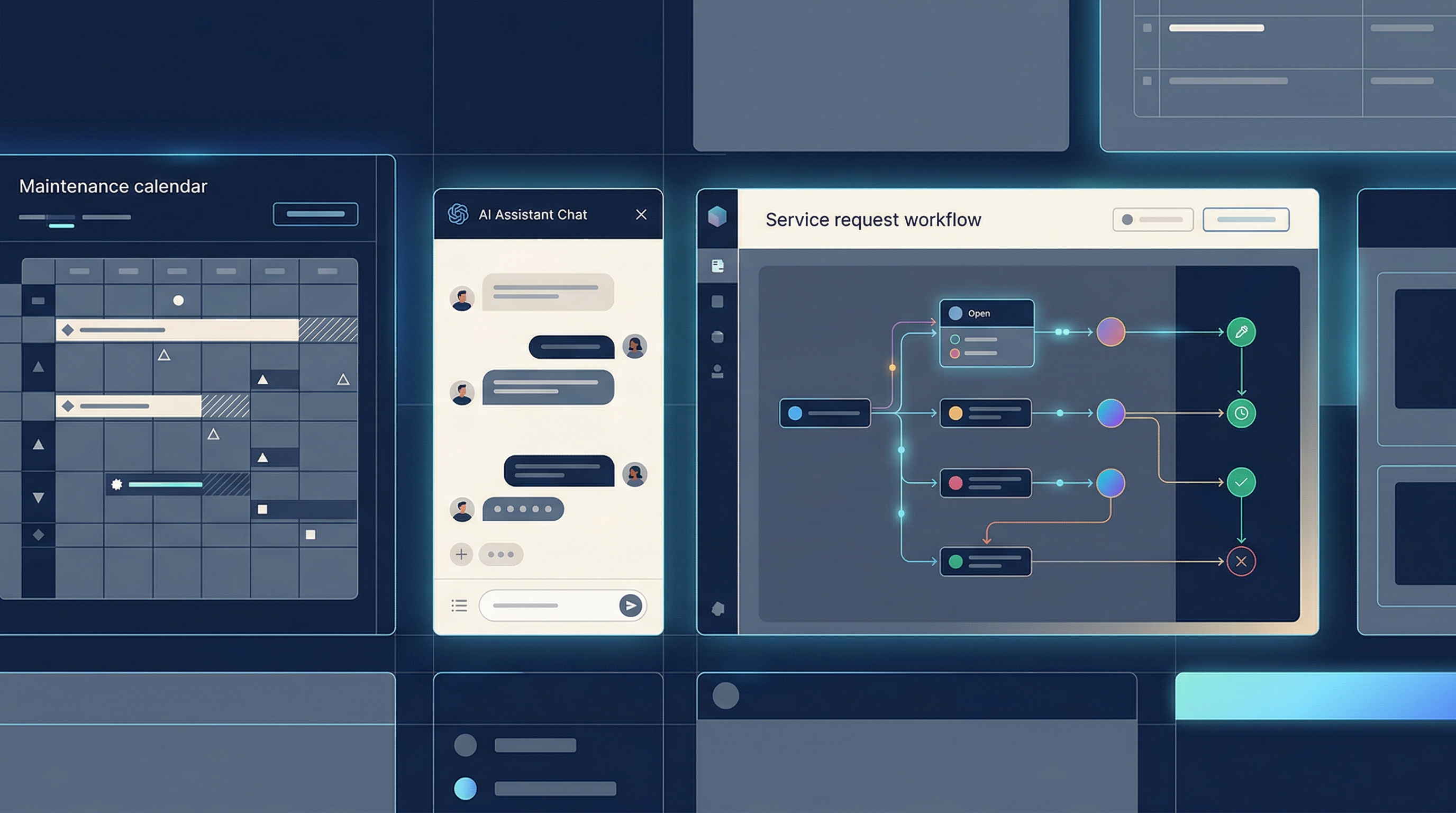
Platform development in an industrial environment does not work by chance. It requires structure, predictability, and transparency. That is why Transaction-Network is introducing a fixed monthly release cycle. This is more than a technical process - it is a commitment to professionalism and continuous development.
Why a Fixed Release Cycle?
Platforms that roll out updates at will create uncertainty.
OEMs and producers must be able to rely on when which changes are coming. They must be able to prepare their teams. They must know when new features will be available - and when not.
A monthly release cycle creates exactly this reliability:
This is not a nice-to-have. This is the standard for professional platform development.
- Predictability - Customers know when updates are coming
- Transparency - Release notes document every change
- Stability - No ad-hoc releases that disrupt processes
- Feedback integration - Customer requests are incorporated in a structured way
Transparent Release Notes for Customers
Every release is documented. Completely. Traceably.
Customers receive detailed release notes showing:
What is new? - New features and functions
What was improved? - Optimizations to existing modules
What was fixed? - Bug fixes and stability improvements
What is changing? - Adjustments that affect existing processes
This transparency is decisive. Customers must understand what is changing - and why.
Those who take platform development seriously communicate transparently. Release notes are not an internal document. They are customer communication.
Clear Roadmap Logic Instead of Individual Development
Before the introduction of the release cycle there were individual developments. Now there is a roadmap.
This means:
Strategic prioritization - Not every feature is implemented immediately. What matters is the strategic added value for the ecosystem.
Customer feedback flows in in a structured way - Requests are collected, evaluated, and prioritized. The most important topics come first.
Long-term planning - Customers see what is coming in the next months. This creates trust.
No surprises - Changes are announced, not simply rolled out.
A roadmap is not a wish list. It is strategic planning with clear priorities.
Feedback Loop with Users
A monthly release cycle only works with active customer dialogue.
That is why we are establishing a structured feedback loop:
Continuous collection - Customer wishes and improvement suggestions are systematically documented
Prioritization with customers - The most important topics are identified together
Transparent communication - Customers learn which of their requests will be implemented - and why others must wait
Iterative improvement - Not everything will be perfect immediately. But it will continuously get better.
This is the decisive difference: Not develop and then hope it fits. But develop, test, gather feedback, adjust.
What This Means for OEMs and Producers
For OEMs a fixed release cycle means:
For producers it means:
- Predictability when introducing new features - Teams can prepare
- Transparency about upcoming changes - No unpleasant surprises
- Reliability in daily business - The platform remains stable, updates come in a controlled way
- Continuous improvement - Every month there are optimizations
- Traceable development - They see where the platform is heading
- Influence on the roadmap - Their feedback is incorporated in a structured way
Professionalism and Maturity as a Signal
A monthly release cycle is more than a development process. It is a signal.
It shows:
Professionalism - We develop not at will, but according to plan
Maturity - The platform is no longer a beta version. It is productively in use.
Reliability - Customers can rely on us
Customer focus - We develop not for ourselves, but for our users
Exactly these signals are decisive when OEMs and producers think about a long-term platform partnership.
A fixed release cycle shows: this platform is professionally operated. You can build on it.
Reliability and Dynamism in Balance
The challenge in platform development is the balance between stability and innovation.
Too many updates? - Customers lose track. Processes are disrupted.
Too few updates? - The platform seems static. Customer wishes are not taken into account.
A monthly release cycle is exactly the right balance:
Reliability - Customers know the platform runs stably
Dynamism - Every month there are improvements and new features
This is not a compromise. This is the right structure.
Next Steps
The monthly release cycle is established. Now it is about continuous implementation:
The goal is clear: Transaction-Network should not only be functionally leading, but also in the way platform development is organized.
A monthly release cycle is the right foundation for this.
- A structured release every month - With documented release notes
- Regular roadmap updates - Transparent communication about upcoming features
- Active feedback loops - Customer wishes are systematically collected and prioritized
- Continuous improvement - Not only new features, but also optimization of existing modules