Service determines how a company is perceived. Especially in mechanical engineering, where systems are in use worldwide, customers today expect more than just support when problems arise.
They expect information to be available at all times, that processes work, and that they are not dependent on office hours or individual contact persons.
The UNITED GRINDING Group faced exactly this challenge.
Starting Point: High Complexity in Service
The dimension is considerable:
- around 150,000 machines in the field
- up to 70,000 spare parts
- 550 employees in customer care
- support via 50 helplines in multiple languages
Service was well organized, but not seamlessly digital in key areas. A central problem lay in the processes: spare parts were identified manually, offers and orders were recorded manually, processes were communication-intensive.
The Step to the Platform
With Transaction-Network, exactly this structure was introduced.
The platform was connected to existing systems, particularly SAP, and could be used productively within a few weeks.
The decisive point: no new system had to be built. The platform builds on existing structures and connects them.
From Reactive to Proactive Service
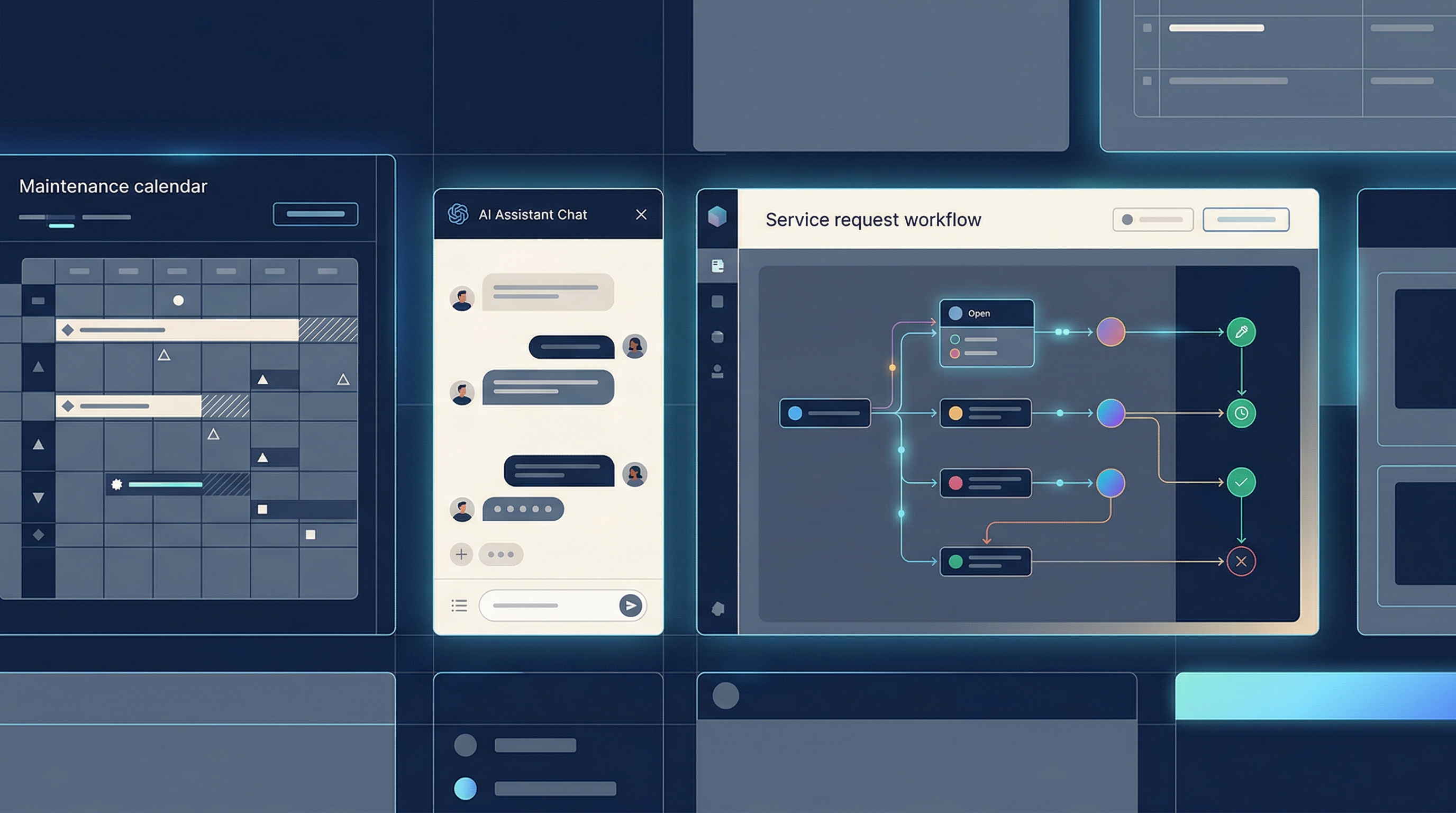
Through maintenance calendars and histories, it becomes visible when action is needed. Technicians often already know before a deployment which parts will be needed.
This changes the logic of service: away from reactive troubleshooting toward plannable, predictive work.
Away from reactive troubleshooting - toward plannable, predictive work.
Paul Kössl, Head of Business Development, UNITED GRINDING Group
Our goal was to structure service uniformly and seamlessly across all brands and customers. With the platform, we have created a central foundation on which information is always available and processes become significantly more efficient.
- Paul Kössl, Head of Business Development, UNITED GRINDING Group
Conclusion
Manual processes and isolated systems reach their limits in service. With increasing complexity, they become a risk.
Only a seamless structure in which data and processes are brought together creates the foundation for speed, transparency, and scalability.
And that is exactly what is expected in service today.